

New Jersey E-Bike Law Update (2026): What Riders, Families, and Cycling Communities Need to Know
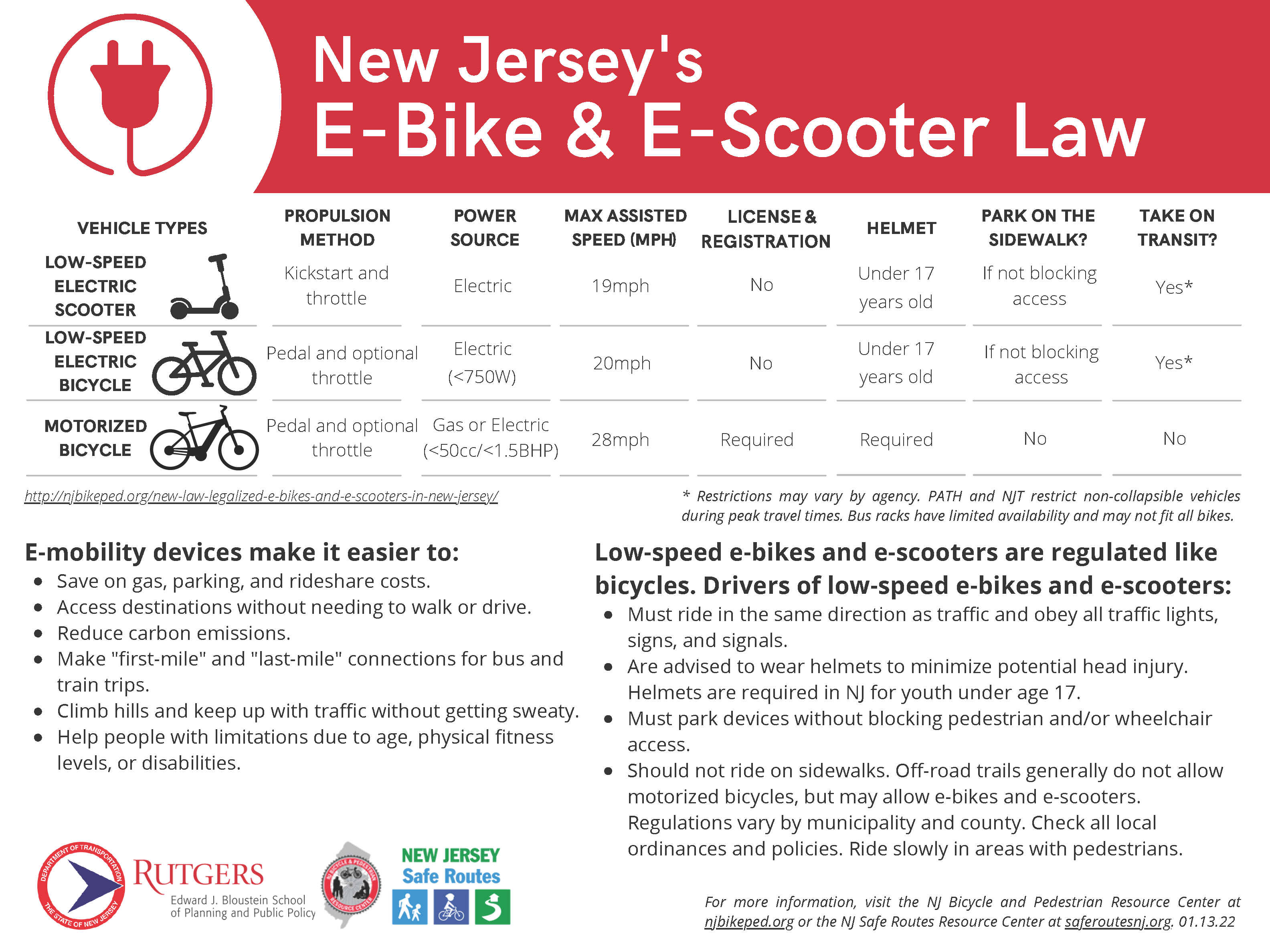
New Jersey’s 2026 NEW ebike law. makes electric bikes no longer just casual cruisers or novelty rides. Across New Jersey, they’re being used by daily commuters, families, bike enthusiasts for fun and fitness, older riders extending their cycling years, and even serious cycling enthusiasts who ride in clubs or structured group rides.
With this growth has come a major shift in how the state regulates e-bikes.
As of January 19, 2026, New Jersey enacted a new law that reclassifies most e-bikes as motorized bicycles, the new New Jersey’s 2026 e-bike law is placing them under the authority of the Motor Vehicle Commission (MVC). This change affects not only casual riders, but also experienced cyclists, performance riders, and organized cycling groups who increasingly incorporate e-bikes into training, recovery rides, or mixed-ability group rides.
Below is a clear, practical breakdown of what changed, who it impacts, and why it matters.
What Changed in 2026?
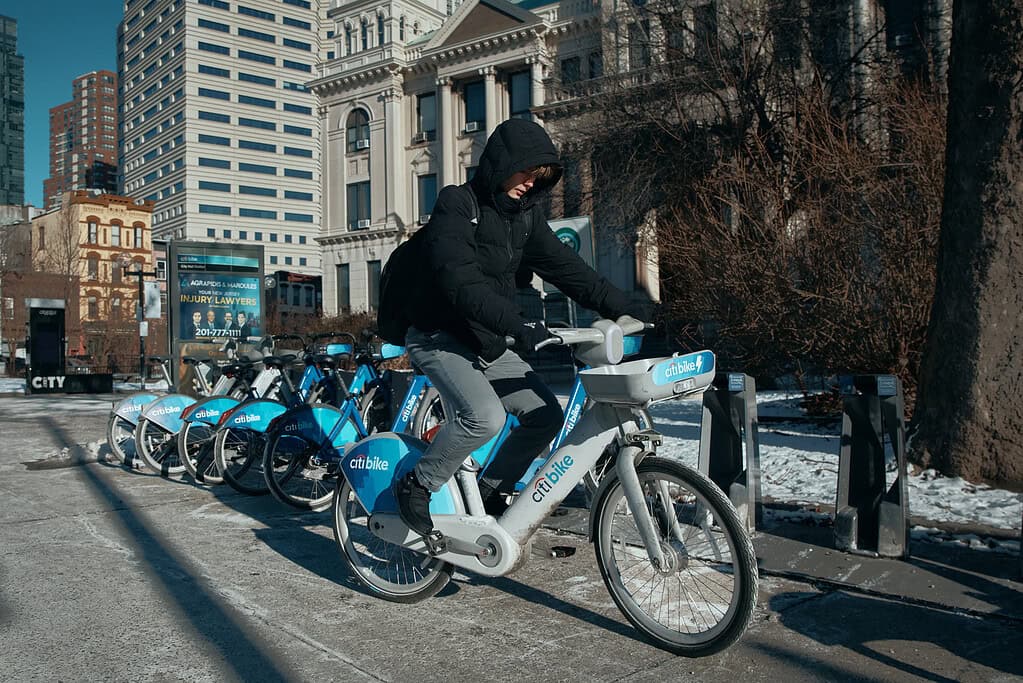
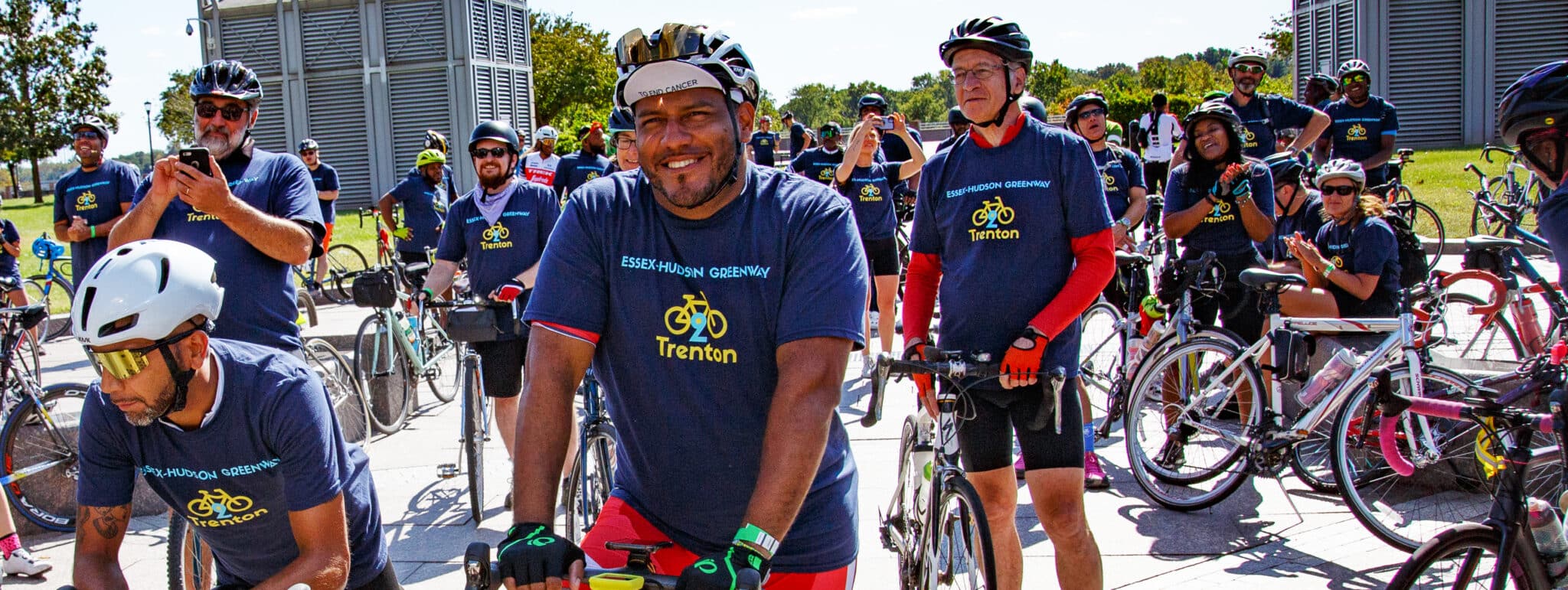
Prior to 2026, New Jersey followed a class-based system that allowed many low-speed e-bikes to operate much like traditional bicycles. Class 1 pedal-assist bikes, in particular, were widely accepted by cycling clubs, recovery riders, and older cyclists looking to stay active without full motorization.
That system has now been eliminated.
Under the new ebike law in New Jersey for 2026, most electric bicycles are classified as “motorized bicycles.” This brings them under MVC oversight, similar to mopeds, regardless of whether they are used casually, for commuting, or as part of an organized cycling routine.
This shift acknowledges a reality many cyclists already see on the road: e-bikes now share space with cars, pedestrians, and traditional bikes — often at higher speeds and in tighter environments.
Registration: A New Requirement for All E-Bike Riders
One of the most impactful changes is mandatory registration.
What this means:
-
All e-bikes must now be registered with the NJ MVC
-
Applies to:
-
Pedal-assist only e-bikes
-
Throttle-assisted e-bikes
-
-
Applies regardless of how or where you ride
For club riders and group cyclists, this is particularly important. Even if you primarily ride:
-
Early-morning training routes
-
Organized charity rides
-
Club-led road or mixed-terrain rides
your e-bike must still be registered if it is used on public roads or shared infrastructure.
Registration creates accountability and allows law enforcement to distinguish between compliant e-bike riders and unregistered high-powered vehicles.
Licensing: A Shift for Experienced Cyclists

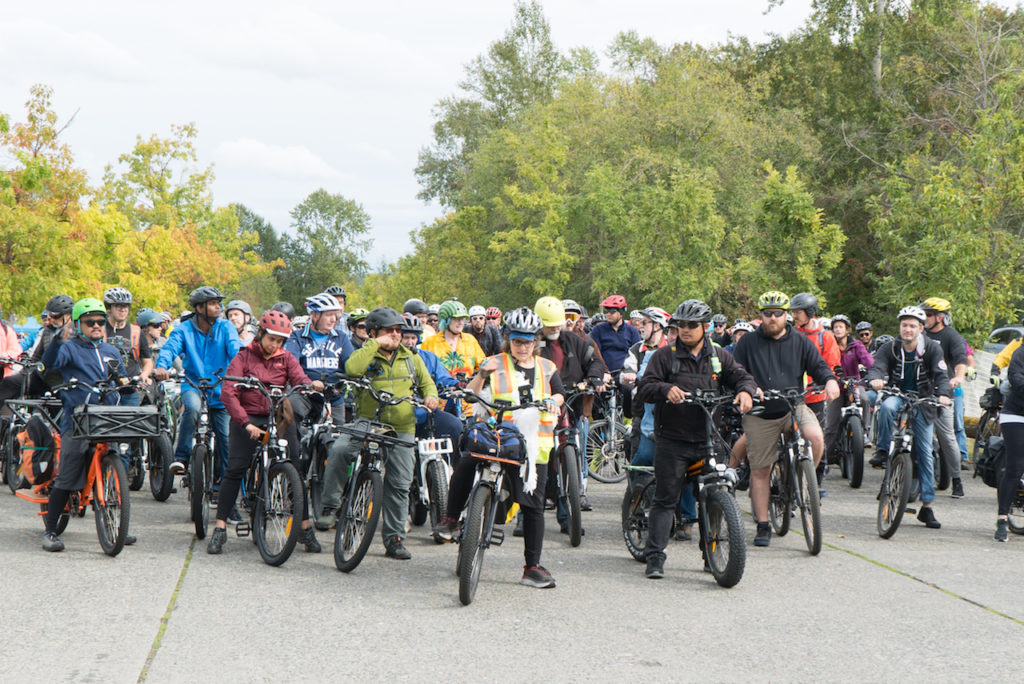
The law also introduces licensing requirements, which may come as a surprise to even seasoned cyclists.
To operate an e-bike legally in New Jersey, riders must have:
-
A valid driver’s license (typically ages 17+), or
-
A motorized bicycle (moped) license, available starting at age 15
This applies whether the rider is:
-
A casual weekend rider
-
A commuter
-
A long-time cyclist using an e-bike for recovery or endurance rides
For cycling clubs that allow e-bikes in group rides, this change reinforces the importance of vetting compliance among participants to avoid issues during organized events.
Minimum Age Requirement
New Jersey now enforces a uniform minimum age:
👉 15 years old to operate any e-bike
This rule applies across the board — pedal-assist, throttle, commuter, or performance models.
For families and cycling programs that involve youth riders, this is a key compliance point moving forward.
Insurance: What Performance Riders Need to Know
Insurance requirements vary based on how the e-bike operates.
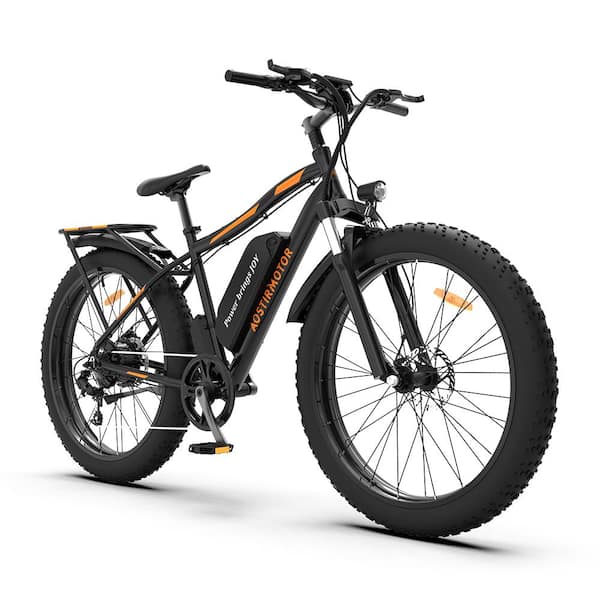
Throttle-Based E-Bikes
-
Liability insurance is required
-
Considered higher risk due to motor-only propulsion
Pedal-Assist Only E-Bikes
-
Insurance is generally not required
-
Registration is still mandatory
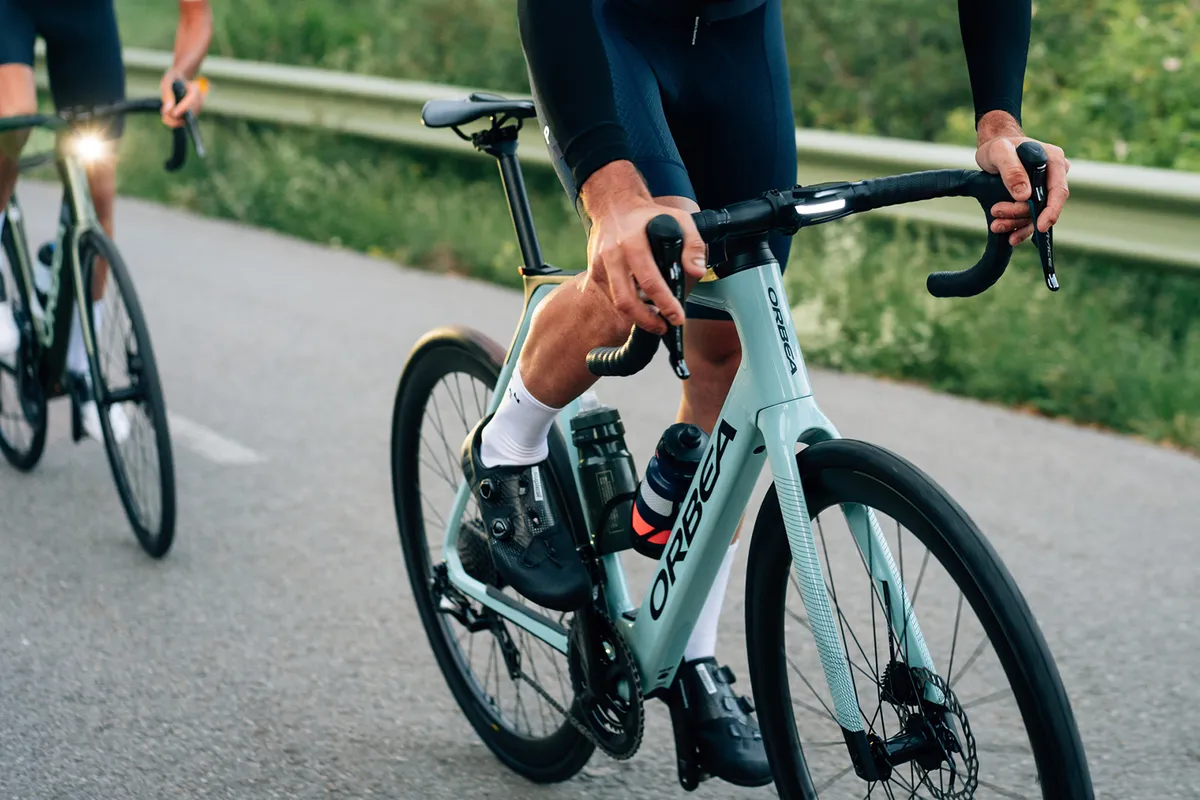
For serious cyclists, this distinction matters. Many high-end pedal-assist road or gravel e-bikes fall under the pedal-assist category, but modifications or aftermarket tuning could push a bike into a higher regulatory class.
High-Power E-Bikes: Where Enthusiasts Must Be Careful and considerate with fellow bikers sharing the road as well as exhude more care in dealing with vehicular traffic of sorts.
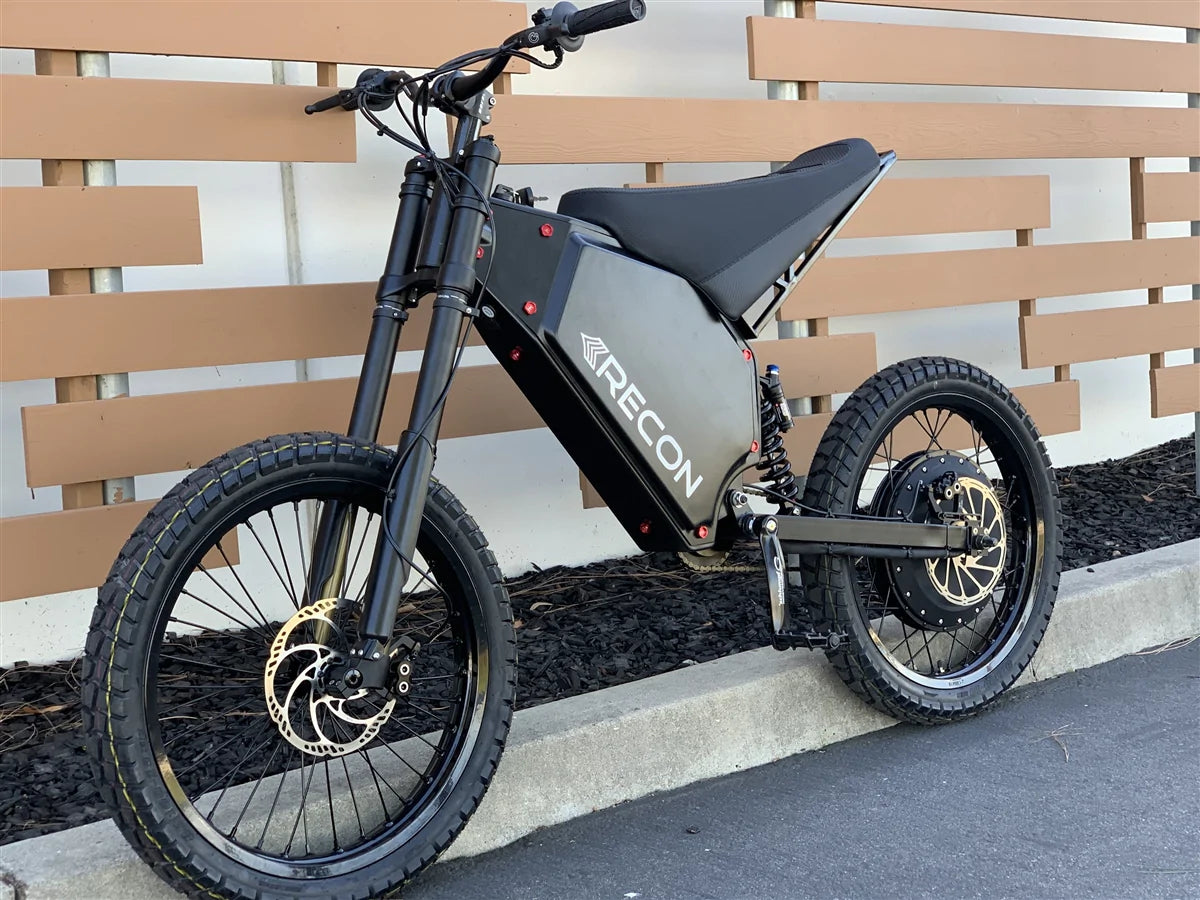
The law introduced a new category called Electric Motorized Bicycles, which applies to bikes that:
-
Exceed 750 watts, or
-
Can reach speeds over 28 mph
These bikes are regulated more like motorcycles, with stricter rules around licensing, insurance, and compliance.
This is especially relevant for:
-
Performance-oriented e-bike riders
-
Riders using speed-unlocked or modified systems
-
Mixed-use riders transitioning between road cycling and e-bike platforms
Cyclists should confirm their bike’s specifications and avoid unintentional non-compliance.
Why the Law Changed: A Cycling Perspective
Lawmakers pointed to:
-
Increased e-bike traffic
-
Higher-speed interactions with vehicles and pedestrians
-
Inconsistent enforcement under the old system
From a cycling standpoint, the intent is to reduce ambiguity. When everyone on the road understands who is regulated as a motorized vehicle — and who isn’t — enforcement becomes clearer and safer for all users.
For clubs and group rides, this helps establish shared expectations and reduces friction between traditional cyclists, e-bike riders, and motorists.
Grace Period: Time to Transition
New Jersey included a grace period through early 2027, during which:
-
Certain registration and examination fees may be waived
-
Riders have time to register, license, and insure as needed
This window is particularly helpful for:
-
Longtime cyclists adding e-bikes to their rotation
-
Clubs adapting ride policies
-
Families with multiple riders
What This Means for Cycling Clubs and Group Rides: Check the Guidelines for the Bike Touring Club of NJ

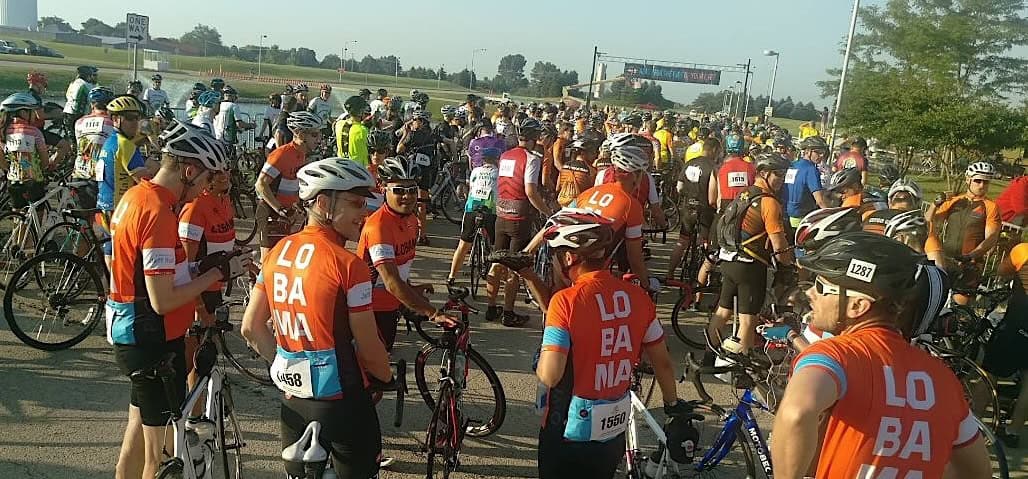

Cycling organizations may want to:
-
Update ride participation guidelines
-
Clarify e-bike eligibility
-
Encourage compliance among members
Understanding the law helps avoid:
-
Event disruptions
-
Liability issues
-
Insurance complications
E-bikes can continue to play a valuable role in keeping riders active longer, supporting inclusive group rides, and allowing mixed-ability participation — as long as everyone rides informed.
Final Thoughts: Informed Riding Is Better Riding
This law reflects a broader reality: e-bikes are now a permanent part of New Jersey’s transportation and cycling ecosystem.
For casual riders, families, commuters, and serious cycling enthusiasts alike, understanding the rules ensures:
-
Safer roads
-
Fewer surprises
-
Better shared use of public space


0 Comments